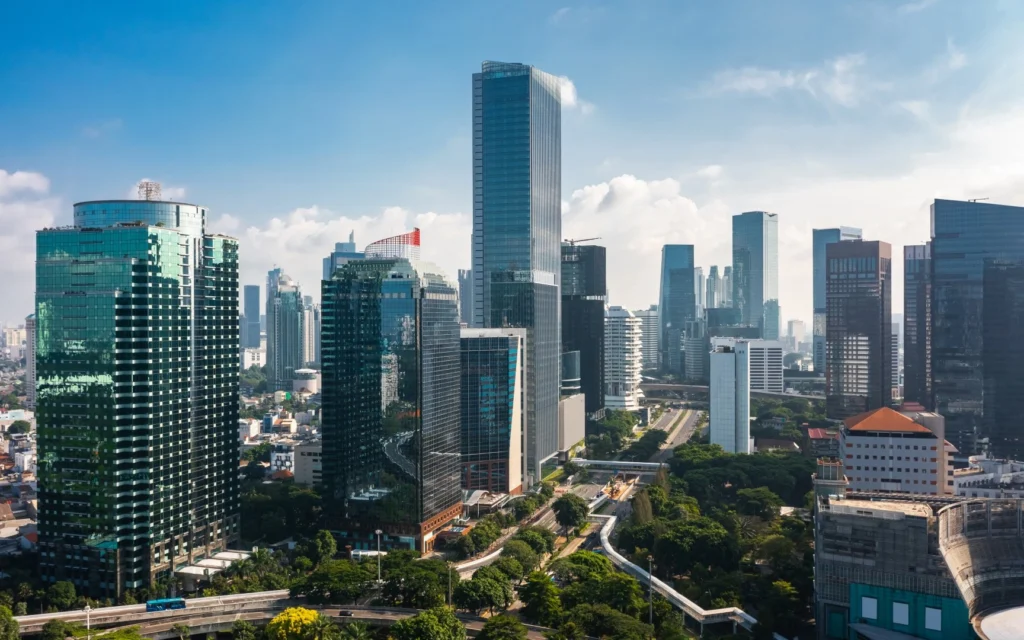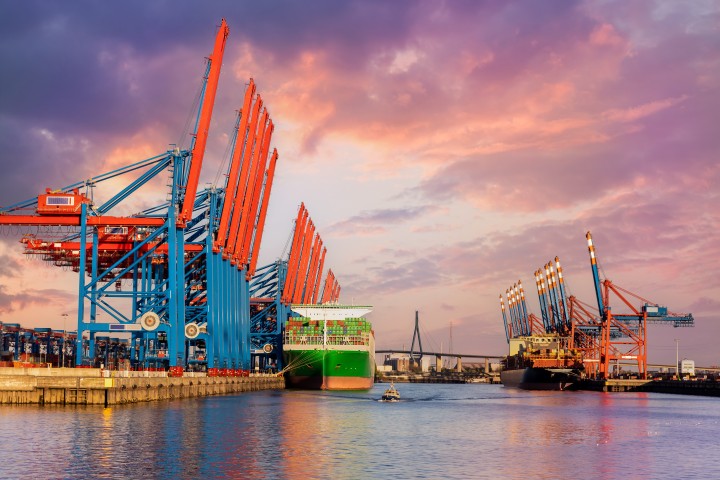

Business headlines tend to focus on a single type of player: the giant corporation. Financial news highlights massive technology companies moving their manufacturing plants or wealthy nations arguing over international tariffs.
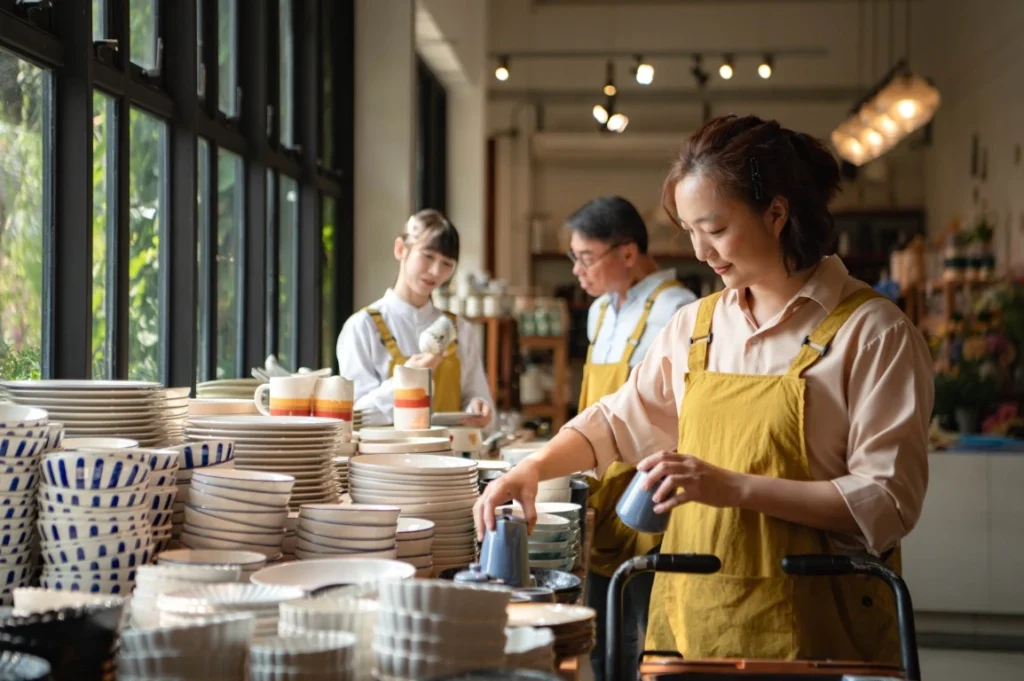
In Southeast Asia, those international giants do not run the real economy. The true engine of the region relies on small and medium-sized enterprises (SMEs). SMEs make up more than 97 percent of all businesses across ASEAN countries. They are the primary source of employment, innovation, and daily commerce.
If the ASEAN region wants to stay strong when global prices rise or domestic currencies drop, local brands cannot survive by selling only within their own borders. They must take their products to the rest of the world. They cannot do it alone. To survive on the global stage, Southeast Asian governments must step in. They need to support their local businesses with the same intensity seen in the United States, the European Union, China, and South Korea.
Why Exporting Protects the Domestic Economy
When a massive foreign company sets up operations in Southeast Asia, a large portion of the money it makes leaves the country. It is routed back to foreign banks or distributed to wealthy investors overseas.
When a local brand from Indonesia, Vietnam, or the Philippines sells its goods to buyers in Europe or North America, the wealth comes straight back to the local economy. Exporting creates a powerful cycle of local success.
Securing global orders forces local businesses to expand and hire more people. Since SMEs are the biggest job creators in Southeast Asia, boosting their international sales directly lowers national unemployment. A growing local brand also needs more supplies to meet international demand. This means they buy more raw materials from local farmers, use local packaging companies, and hire local transportation services. The entire community benefits from a single international contract.
Selling to other countries brings foreign cash directly into the domestic banking system. This influx of foreign currency helps keep local currencies stable. A stable national currency protects everyday citizens from the rising cost of imported goods like fuel and food.
The Heavyweights Play a Different Game
Global trade is not a fair fight. A Southeast Asian small business trying to sell its products in a new country is not just competing against other small businesses. It is competing against foreign businesses heavily backed by rich governments.
South Korea offers a clear example of this dynamic. To make sure its local businesses can successfully sell overseas, the South Korean government is providing over $100 billion in trade financing specifically for exporting SMEs in 2026. They hand out export vouchers to help small companies pay for international marketing, legal advice, and website upgrades. South Korea also pairs its small businesses with its giant corporations. This allows smaller brands to use the massive global shipping and sales networks of the bigger companies.
The United States, the European Union, and China play the exact same game. China heavily subsidizes shipping costs for its local manufacturers to make it incredibly cheap for them to send goods overseas. The United States and the EU provide their local businesses with government-backed loans, specialized legal help to understand complex customs rules, and massive tax breaks for exporting.
Right now, a local Southeast Asian business is stepping into the global boxing ring alone. Its foreign competitors have a whole team of government trainers, lawyers, and financial sponsors standing directly behind them.
How ASEAN Governments Can Level the Playing Field
If Southeast Asia wants its local brands to win, local and national governments must get involved. Relying solely on the hard work and savings of individual business owners is no longer enough. ASEAN governments can support their SMEs to match the global heavyweights in a few specific ways.
The first step is providing real financial backing. Advice and seminars are helpful, but cash keeps a business alive. Many small businesses miss out on huge global sales because they do not have the upfront money to manufacture the products before they get paid by the foreign buyer. Governments need to offer real trade financing and affordable export insurance. If a local business lands a big contract in Europe, the local government should help finance the production. This ensures the business does not go bankrupt while waiting months for the final payment.
Next, governments must make international rules easy to understand. The European Union and the United States have very strict rules about product safety and environmental impact. These rules confuse and scare away small businesses that cannot afford to hire international lawyers. ASEAN governments must act as translators. They need to create simple, easy-to-read guides and digital platforms that help local brands quickly understand and pass these foreign rules. This guarantees their goods are not rejected at customs.
ASEAN governments should also copy the South Korean playbook by matching small brands with big players. Governments can create programs that connect the best local SMEs with the large multinational companies that are already operating in the region. If a massive foreign company wants to do business in Southeast Asia, the government should provide incentives for that company to help local brands plug into their global supply chains.
Finally, the region needs to fight as a unified team. Instead of each Southeast Asian country fighting for trade deals alone, the ASEAN bloc must work together. By sharing shipping routes, creating regional funding programs, and negotiating trade deals as one massive group, the region can give its small businesses a much stronger voice. A unified ASEAN market has the bargaining power to demand fairer trade rules from the US and the EU.
The Bottom Line
Supporting small business exports is not an act of charity. It is the most effective form of national economic defense.
A strong economy cannot rely on foreign companies or domestic shoppers forever. True economic security happens when domestic brands take their products to the world and bring the financial rewards back to their home countries. If ASEAN governments are willing to back their local brands the way Western and East Asian governments do, Southeast Asia will not just survive the changing global economy. It will become a leading force within it.